


It’s no wonder so many people are looking for ways to convert their favorite recipes to sugar free recipes. Sugar is attributed to so many health impacts. Among the obvious result of too much sugar – weight gain and obesity – an article written by HealthLine highlights many other reasons a diet high in sugar can be bad for you; including increased risk of heart disease, acne, type 2 diabetes, depression, increased risk of developing cancer and more. The facts are staggering, but with sugar in so many of the things we buy, how is a person to cut down on the amount of sugar they consume.
I feel fortunate to have grown up with a mom who was focused on healthy, sugar free options – well before it was cool to do so. Nowadays, if you’re up on all the ways to cut out sugar and eat a healthy diet, people are excited and want to know how you’re doing it so they can follow along. When I was growing up, people just thought you were some sort of crazy hippie who was overly concerned about things that just didn’t really matter all that much.
Thank you mom for being a trend setter, an awesome hippie and for laying a solid foundation of health for us kids well before it was a cool thing to do! You ROCK!
If you’re one of those parents, or even just an average person, who wants to pay more attention to the things you eat and the sugar intake you and your family consumes, I applaud you and I’ve got great news! It’s possible! AND…you don’t necessarily have to stop making all the great recipes you and your family love or skimp on taste.
With a little alteration and some conversion know-how, you can swap out some of the less healthy ingredients in your meals, like sugar and oil, for healthier options!
Baked goods are one of the hardest recipes to alter, because your batter needs to be the right consistency and you have to have the right combination of ingredients to ensure the end result looks, tastes and feels like it should. But it’s really not as complicated as it might sound to substitute healthy sugar options in place of less healthy options such as white and brown processed sugar. And in the process, you can often cut down or even cut out some of the other less healthy ingredients, such as butter and oil.
Here’s a list of healthy sugar options you might consider…
Agave Syrup

Agave syrup is a great option, especially if you are looking for a sugar option that won’t spike your blood sugar. Unlike sugar and some other heathier sugars, agave syrup has a very low glycemic load, meaning it won’t make your blood sugar rise and plummet quickly.
This is important because foods that have a higher glycemic load can have a greater impact on the development of diabetes, hypoglycemia and other health impacts such as heart disease. It can also result in sudden feelings of hunger toward the end of the plummet cycle – a natural effect that has given way to the term “Hangry!”. I think we can all agree that we don’t want to be the “Snickers” man due to a sudden plummet in blood glucose levels.
Agave syrup is slightly sweeter than sugar, so the upside to using it is that you don’t have to use as much. To substitute agave syrup for cane sugar, you’ll want to use 2/3 cup agave syrup for every 1 cup of cane sugar.
Dates
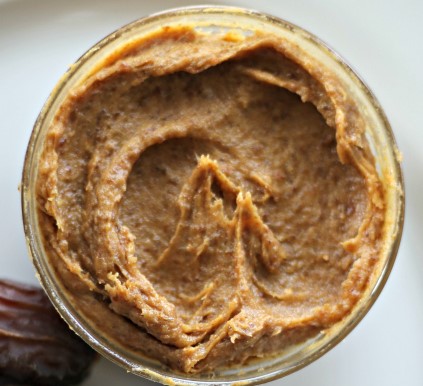
Dates are also a great option for many recipes, including baked goods, and are also relatively low on the glycemic index. While dates themselves are whole pieces of fruit, they are quite easy to reduce down into a paste that can be easily used in cookies, cakes and other baked goods.
Dates can even be dried and made into granulated sugar. They’re great as a healthy, sweet snack all by themselves and they don’t require adding in a lot more flour and carbohydrates to your recipes, since the paste is rather thick in form. In fact, when using date paste, rather than syrup, you can substitute on a one to one ratio. For every 1 cup of cane sugar, substitute 1 cup of date paste..
Maple Syrup
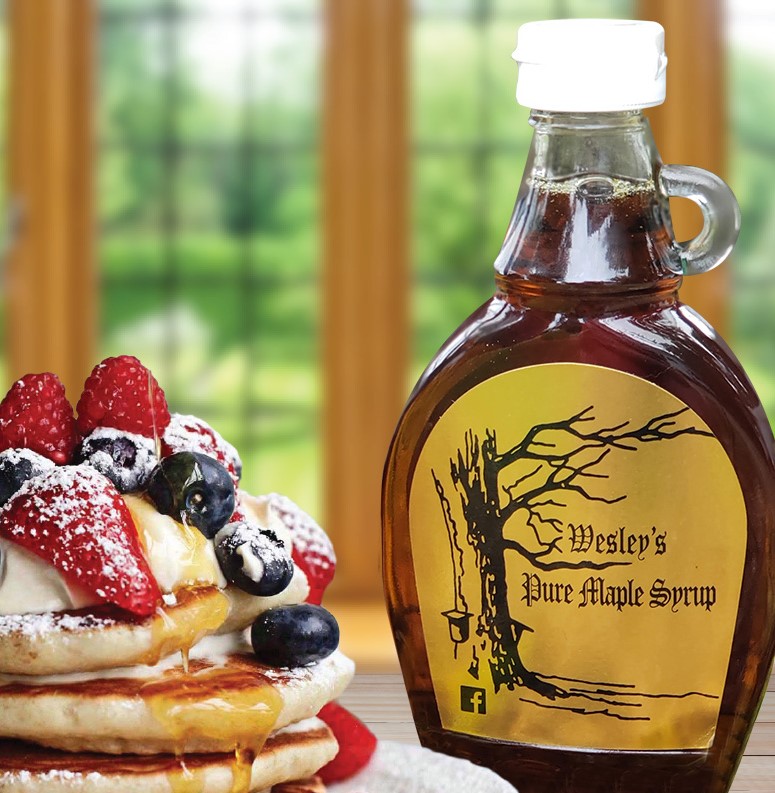
Many people think maple syrup is loaded with sugar and while some of it is, namely those brands that make their own syrup, pure maple syrup is a naturally sweet nectar collected from maple trees and doesn’t contain any additional sugar at all. Maple syrup is loaded with beneficial antioxidant enzymes and a host of beneficial vitamins and minerals, making it a great alternative to sugar.
Maple syrup is sweeter than cane sugar, so you don’t have to use as much. However, it also has a higher glycemic index than agave and dates and as a result should be used more sparingly When converting this substitute, use 2/3 to 3/4 cup maple sugar for every 1 cup of cane sugar. To ensure the right consistency of your batter, you’ll want to decrease other liquid ingredients, such as butter or oil, by 3 tablespoons for every 2/3 to 3/4 cup of syrup used.
It is important to understand, when baking with maple syrup, that it caramelizes at a lower temperature than cane sugar. For this reason, you’ll want to reduce the baking temperature by 25 degrees. For example, if your recipe says to bake at 350 degrees and you are substituting maple sugar in place of cane sugar, reduce the baking temperature to 325 degrees.
Honey
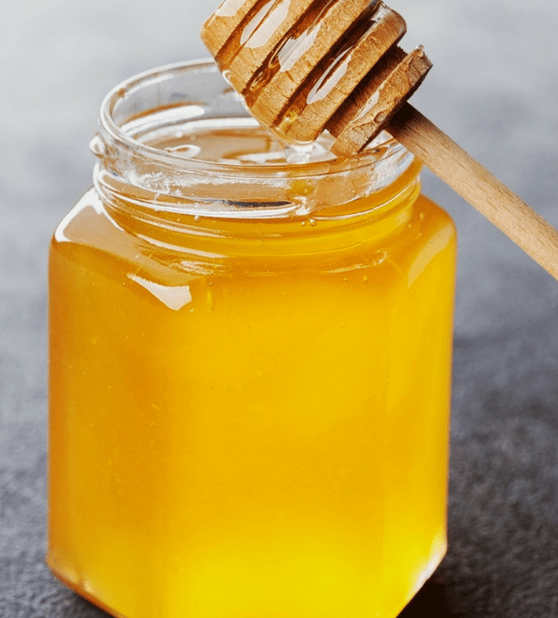
Honey is another good option as a substitute because you don’t have to use as much of it compared to cane sugar. This is because honey is sweeter than cane sugar. Honey is loaded with beneficial antioxidant and antimicrobial enzymes that make honey a great option for many things; including teas, baked goods and whatever else you want sweetened.
Because honey is sweeter than sugar, you can use a lesser amount when converting recipes. To convert, use 3/4 cup honey for every 1 cup of cane sugar. Be aware however, with baked goods especially, that you will need to either increase the dry ingredients, decrease the liquid ingredients or both in your recipe due to the liquid form of honey. This is necessary to get the correct consistency of your batter and ensure a good rise when necessary.
As a general rule, when substituting honey for cane sugar, reduce other liquid ingredients, such as butter and oil, by 1/4 cup for every 1 cup of honey used in the recipe. If you are making cookies or other recipes that call for eggs or in a recipe that does not have any other liquids, increase dry ingredients, such as flour, by 2 tablespoons for every 1 cup of honey used. You will also want to add a 1/2 teaspoon of baking soda for every 1 cup of honey used to ensure the proper pH for your recipe.
And because honey burns and/or crystalizes at a lower temperature than cane sugar, you will also want to decrease the baking temperature by 25 degrees. For example, if your recipe says to bake at 350, lower the baking temperature to 325 and remember, slow and stead wins the race when it comes to using honey in baked goods recipes.
One of the fun things about honey is that you can get all sorts of different flavors, depending on what sort of plants the bees have developed the honey from. there is blackberry honey, stinging nettle honey, wildflower honey, orange blossom honey and more! And each has a subtle but distinctly different taste to it. This makes it fun to play around with your recipes. You might love blackberry honey when making your favorite cookie recipe, but when making your favorite dinner roll recipe you might prefer orange blossom honey.
The only downside to honey is that the glycemic load is not all that low, coming in just slightly lower than cane sugar. So while the benefits are high, you’ll still want to use honey sparingly.
Coconut Sugar

Coconut sugar is another alternative to cane sugar. It carries relatively the same texture as sugar and as such, needs the least amount of recipe altering. Be aware, however, that if you are baking goods that require a high rise, such a breads, you’ll want to pulse coconut sugar in the blender before
using. This is because coconut sugar granules are larger than cane sugar granules, which can prevent the necessary flexibility in dough for high risk recipes. If you don’t mind an occasional sweet crunch and aren’t worried about your dough needing to rise significantly, you can skip the grinding step!
If your looking for a sugar substitute that is as sweet as sugar, you’ll need to use 1 1/4 cups of coconut sugar for every 1 cup of sugar.
One thing to be aware of is that coconut sugar also has a fairly high glycemic load, just shy of the glycemic load of sugar. So while it may be a healthier alternative, the impact on your blood sugar levels won’t be much different than that of sugar and thus, coconut sugar should be used sparingly as well.
If you’ve been interested in ways to cut down your sugar intake, I hope this article has helped you discover ways you can do just that. It may take a little experimenting to find the sugar substitute that is right for you and your family, so try it out and adjust as needed. You might even find that you prefer substituting honey in one recipe, maple syrup in another and date paste in yet another. The taste of each is quite unique, so don’t be afraid to experiment and decide what you like!
Later this week I’ll include a post about fat substitutes for those of you who would like to cut down on fats, such as butter and oil, in your recipes!
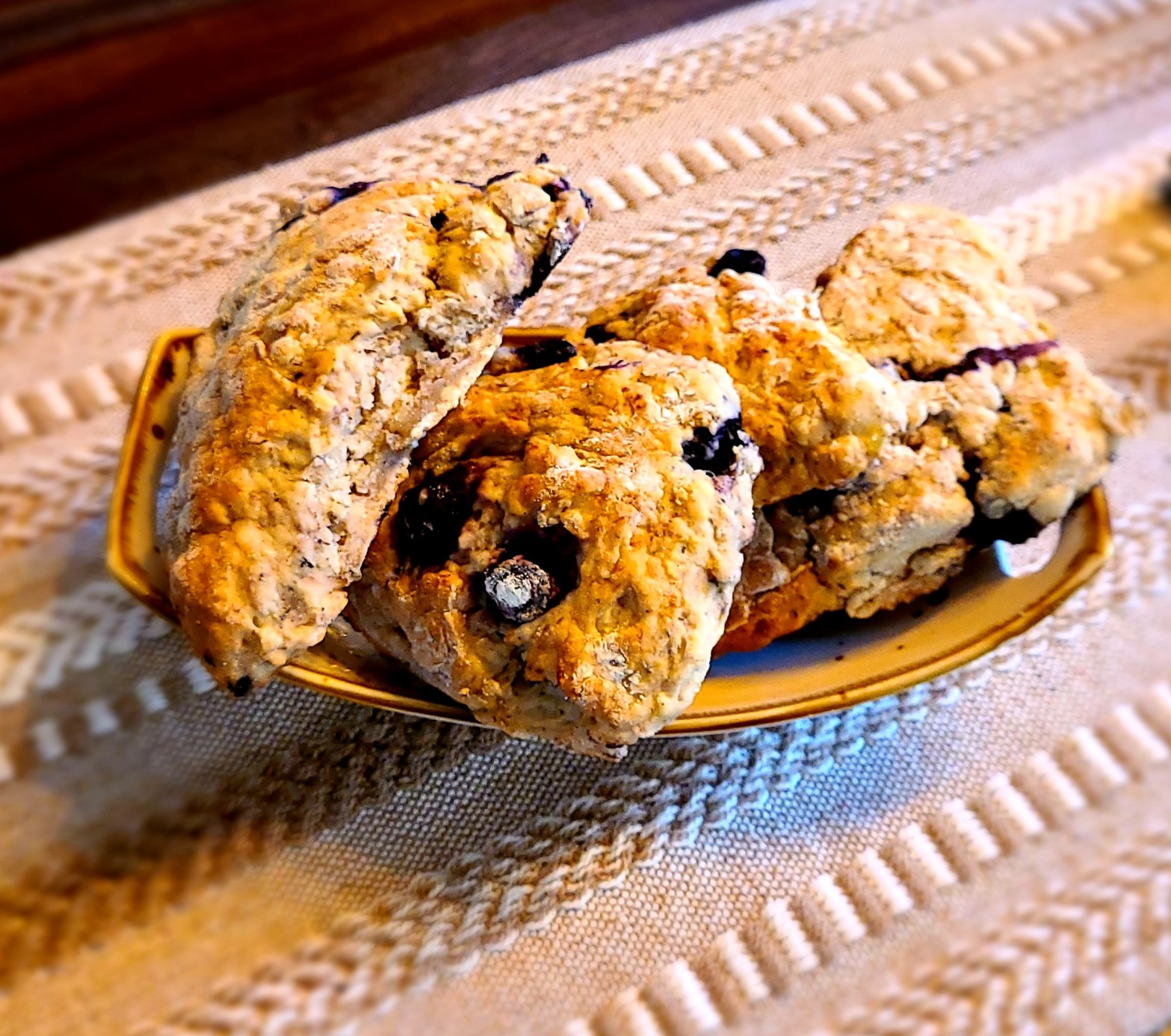
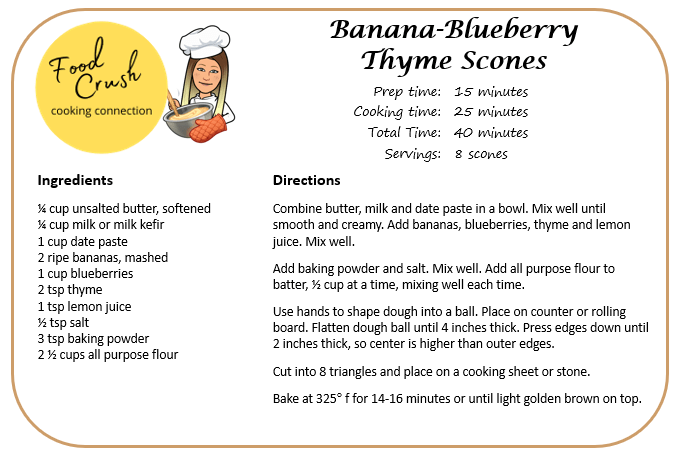
And of course, I’ve pasted a couple recipes below for healthier peanut butter cookies that use maple syrup and date paste instead of cane sugar and blueberry banana thyme scones that use date paste instead of cane sugar.


 Food Crush Cooking Connection